Optimising Glutathione: The Key to Health, Performance and Recovery
Published · 2 min read
At 360Fitness Barcelona we believe that science should serve your wellbeing. One of the most studied molecules in relation to health and physical performance is glutathione (GSH), which physiology sometimes calls the body's “master antioxidant”.
Why is glutathione so important?
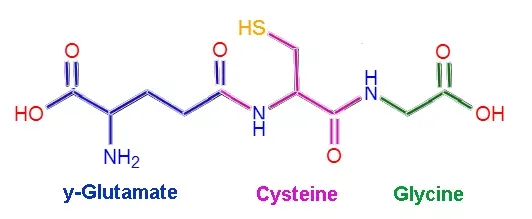
Glutathione is a tripeptide made up of cysteine, glycine and glutamate, and it is present in every cell of the body. These are the functions described for it in the body, not the effects of a supplement:
- Antioxidant defence against free radicals.
- Liver detoxification.
- Regulation of the immune system.
- Recycling of vitamins C and E.
- Support for energy metabolism and DNA repair.
At our centre, 360Fitness, we give importance to maintaining adequate glutathione levels through diet. We cannot state that supplementing translates into more energy or better recovery: there is no authorised health claim for glutathione.
In which cases is it most talked about?
- Women in menopause: the fall in oestrogen increases oxidative stress. It does not follow from this that supplementing reduces fatigue, hot flushes or cardiovascular risk, and we do not claim it.
- Athletes: intense training generates oxidative stress. What best sustains recovery is still sleeping, eating enough protein and managing your training load.
- If you have a medical condition: this is no place for self-medication. Talk to your doctor before adding any supplement.
- After surgery or an injury: what is appropriate is decided by your medical team, not a blog.
At 360Fitness Barcelona we design personalised strategies for each profile.
Keys to producing more glutathione
Although cysteine is the most limiting amino acid, consuming it is not enough. Glutathione synthesis also requires a good supply of cofactors:
- Magnesium (300-400 mg/day)
- B vitamins (B2, B3, B6, B12 and folate)
- Vitamin C (≥150 mg/day)
- Vitamin E (15 mg/day)
- Selenium (55 µg/day)
At 360Fitness we teach you how to adjust your diet to cover these nutrients with food and smart supplementation.
Practical comparison: foods and supplements
| Source | Estimated cysteine/cystine | Approximate cost | Risk |
|---|---|---|---|
| Immunocal® (20 g) | 300-350 mg cysteine | 12-16 € | High (intact protein, people with milk allergy) |
| HSN whey (20 g) | 200-300 mg cysteine | 0,8-1 € | Moderate |
| Pure L-cysteine (500 mg capsule) | 500 mg cysteine | 0,15-0,25 € | Low |
| Cooked chicken (150 g) | 500-600 mg cysteine | 2,5 € | Very low |
In conclusion, a balanced diet + whey + basic supplements can supply as much cysteine as premium products, at a lower cost.
Practical menus to optimise glutathione
In the 360Fitness guide we propose different plans:
- Natural menu: eggs, chicken, fish, pulses, vegetables and nuts → 1.6-1.9 g of cysteine/day.
- Menu with whey + supplements: whey shake, glycine, B complex, vitamins C and E, selenium and magnesium → 1.0-1.2 g of cysteine/day, with greater convenience.
- Vegetarian menu with whey: lentils, brown rice, tofu, walnuts and yoghurt → 1.0-1.3 g of cysteine/day, complemented with supplements.
Conclusion
What really sustains the result is the foundation: nutrition, rest and training. At 360Fitness Barcelona we have developed protocols that combine practical nutrition, efficient supplementation and personalised training, and supplementation stays where it belongs, as a complement.
👉 If you want to find out how to integrate these strategies into your health and sport plan, visit www.360fitness.es.